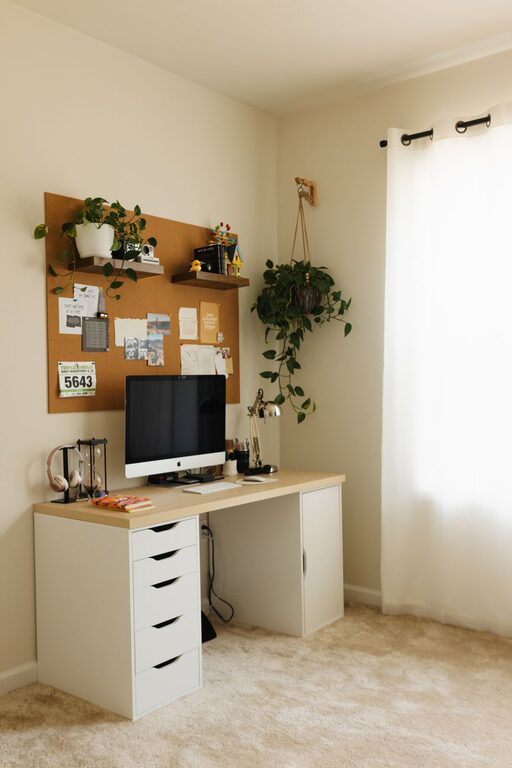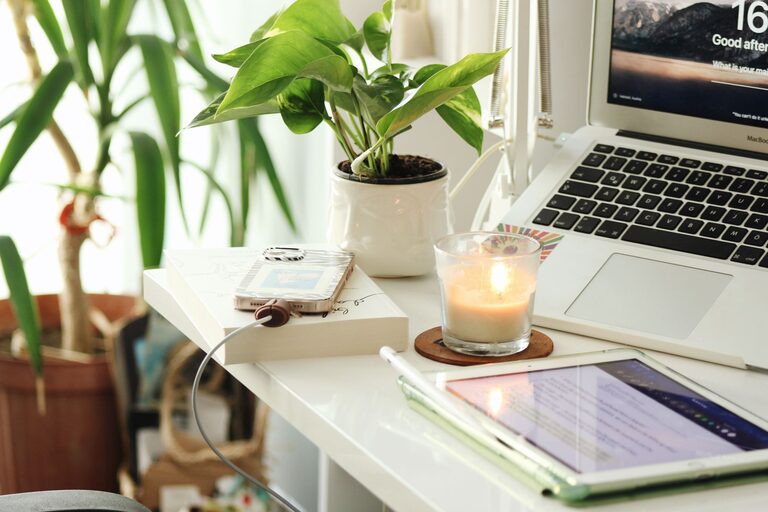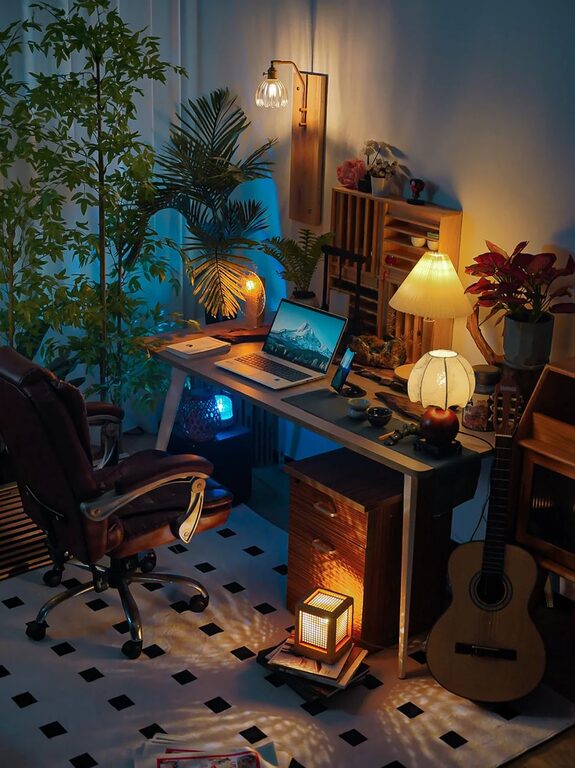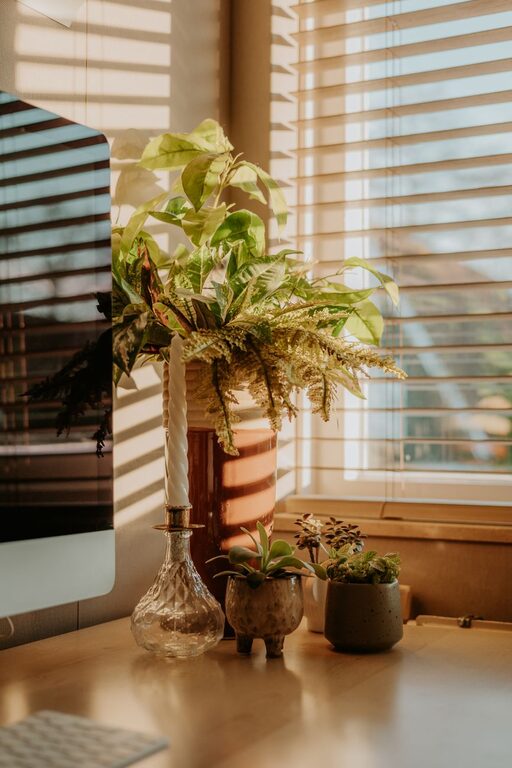

Creating a productive home office environment is essential for anyone working remotely or managing tasks from home. A well-designed workspace can improve concentration, reduce distractions, and even enhance your overall well-being. Whether you have a dedicated spare room or just a small corner of your living area, these tips will help you build an efficient and comfortable home office.
Choose the Right Location
Find a Quiet Space
Select a quieter area in your home where you can minimize interruptions. If possible, choose a room with a door to separate work from home life. Avoid high-traffic zones like kitchens or living rooms during peak hours.
Consider Natural Light
Natural lighting boosts mood and energy levels. Position your desk near a window to take advantage of daylight. If natural light is limited, invest in good-quality artificial lighting that mimics daylight.
Invest in Comfortable and Functional Furniture
Ergonomic Chair and Desk
An ergonomic chair and desk set the foundation for comfort and health. Your chair should support your lower back and allow your feet to rest flat on the floor. A desk at the right height prevents strain on your wrists and shoulders.
Proper Monitor Placement
Position your computer monitor at eye level, about an arm’s length away. This reduces neck strain and helps maintain good posture.
Additional Accessories
Consider accessories like a keyboard tray, wrist rests, and footrests to enhance comfort and reduce fatigue during long work sessions.
Keep Your Space Organized
Declutter Regularly
A cluttered desk can distract you and decrease efficiency. Keep only essential items on your workspace and put away unnecessary materials.
Use Storage Solutions
Use shelves, filing cabinets, and desk organizers to keep documents and supplies neatly stored. Clear labeling helps you find items quickly.
Digital Organization
Organize your computer files and emails into folders and use productivity tools to keep track of tasks and deadlines.
Manage Noise and Distractions
Noise-Canceling Headphones
If household noise is unavoidable, noise-canceling headphones can help you focus by blocking out background sounds.
Set Boundaries
Communicate your work hours to family or roommates. Use signs or closed doors to signal when you need uninterrupted time.
Minimize Digital Distractions
Turn off non-essential notifications and apps during work hours. Use website blockers if you find yourself frequently visiting distracting sites.
Optimize Lighting and Air Quality
Layered Lighting
Combine ambient, task, and accent lighting to reduce eye strain and create a pleasant working atmosphere.
Air Circulation
Fresh air supports alertness. Keep a window slightly open or use an air purifier to maintain good air quality.
Add Plants
Indoor plants not only improve air quality but also create a calming environment, which can reduce stress.
Personalize Thoughtfully
Inspirational Decor
Add a few personal touches like artwork, motivational quotes, or photos that inspire you without overwhelming the space.
Choose Calming Colors
Soft, neutral colors often work best for concentration. Avoid overly bright or distracting hues.
Establish a Routine
Set Regular Hours
Keep consistent work hours to create structure. This helps separate your professional life from personal time.
Take Breaks
Schedule short breaks to stand, stretch, or walk around. This refreshes your mind and body, improving overall productivity.
End-of-Day Ritual
Create a routine to signal the end of your workday, such as tidying your desk or switching off your computer. This helps transition into relaxation mode.
Use Technology Wisely
Reliable Internet and Equipment
Ensure you have a strong internet connection and up-to-date devices to avoid disruptions.
Productivity Apps
Utilize apps for task management, time tracking, and communication to stay organized and connected with colleagues.
—
By following these tips, you can create a home office environment that supports your productivity and keeps you comfortable throughout your workday. A thoughtfully arranged workspace not only enhances your ability to focus but also contributes to your overall job satisfaction and work-life balance. Take the time to experiment and adjust your setup until it feels just right for you.
About the Author