Creating a home workspace that is both relaxing and productive can greatly enhance your work-from-home experience. Whether you are a remote employee, freelancer, or managing household tasks, the environment around you plays a crucial role in your focus and well-being. In this post, we’ll explore effective tips for setting up a space that helps you stay organized, motivated, and stress-free.
Why a Balanced Workspace Matters
A well-designed home workspace doesn’t just improve your ability to get tasks done; it also contributes to your mental health. When your workspace feels inviting and calm, you can concentrate better, reduce stress, and maintain a healthy work-life balance. The goal is to blend comfort with functionality seamlessly.
Choosing the Right Location
Find a Dedicated Spot
Select a space in your home that can be dedicated mainly to work. This helps your brain associate the area with productivity and focus. It could be a spare room, a corner of your living room, or even a quiet nook.
Consider Natural Light
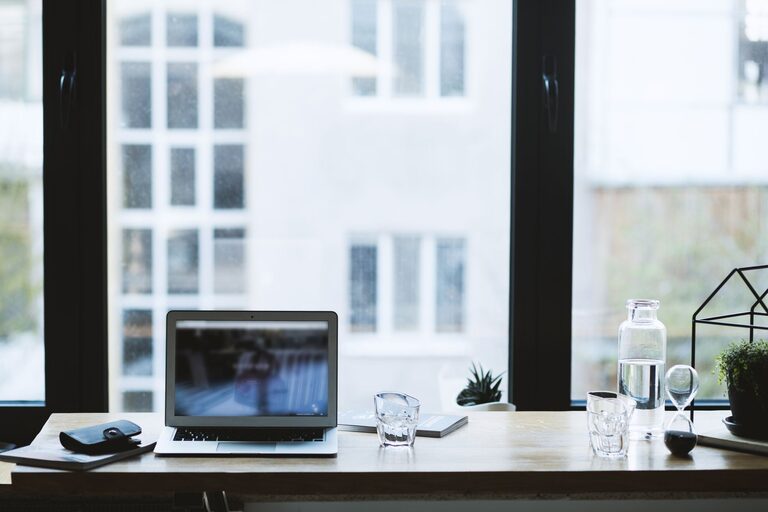
Whenever possible, position your desk near a window to take advantage of natural light. Sunlight helps improve mood and energy levels. Avoid placing your monitor directly in front of or behind the window to reduce screen glare.
Minimize Distractions
Try to pick a spot away from noisy areas like the kitchen or TV room. If you cannot avoid household noises, consider using noise-canceling headphones or white noise machines to create a peaceful atmosphere.
Ergonomics: Comfort Meets Efficiency
Your comfort is key for long periods of work.
– Invest in a Good Chair: Choose an ergonomic chair that supports your back and encourages good posture.
– Adjust Desk Height: Make sure your desk and chair height allow your feet to rest flat on the floor and your arms to bend at about 90 degrees while typing.
– Screen Position: Position your monitor at eye level about an arm’s length from your face to prevent neck strain.
Organizing Your Workspace
A clutter-free space supports a clutter-free mind.
Declutter Regularly
Keep only essential items on your desk. Excess paper, gadgets, or decor can distract and stress you out.
Use Storage Solutions
Folders, drawer organizers, and shelves can help keep supplies neat and easily accessible. Label containers to find items quickly.
Cable Management
Tidy up cables with clips or covers to prevent tangles and create a cleaner look.
Incorporating Relaxation Elements
Adding calming touches can make your workspace more inviting.
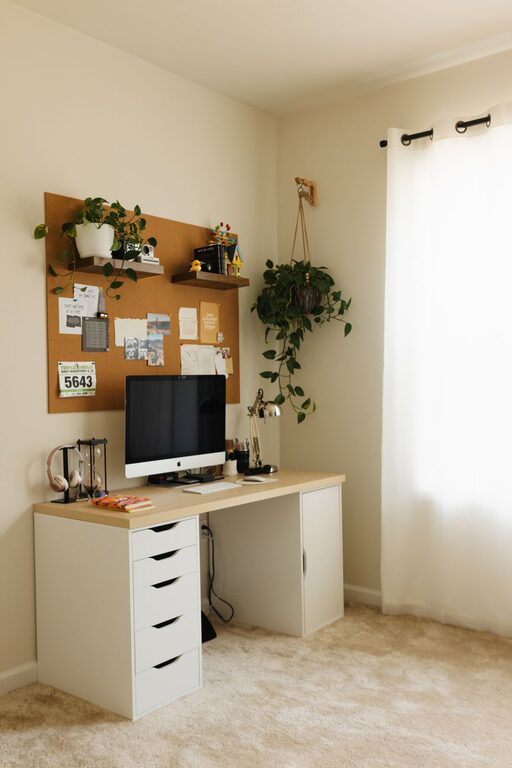
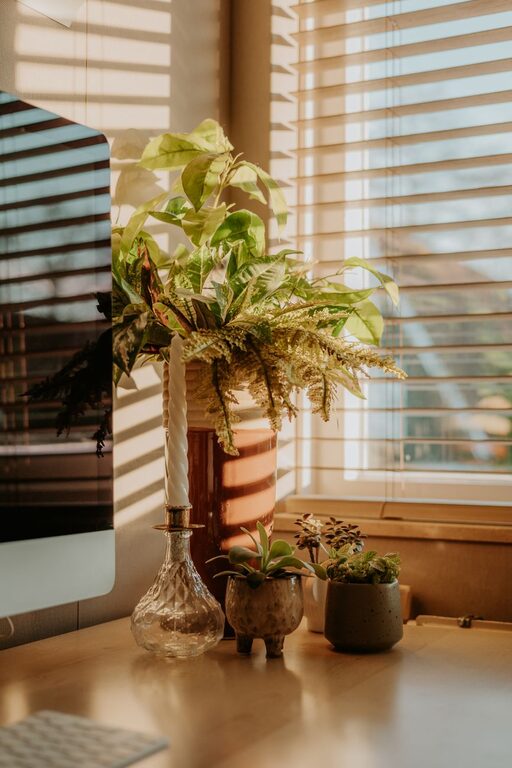
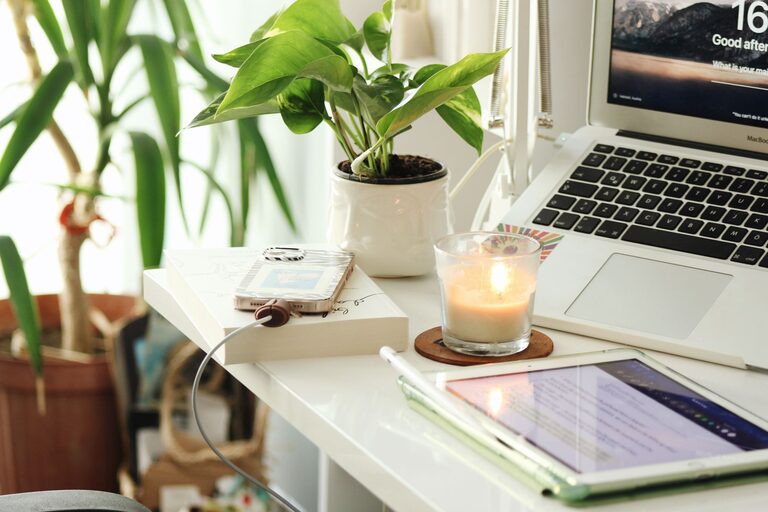
– Plants: A small indoor plant can boost your mood and improve air quality.
– Personal Items: A few photographs or meaningful objects can create a comforting environment.
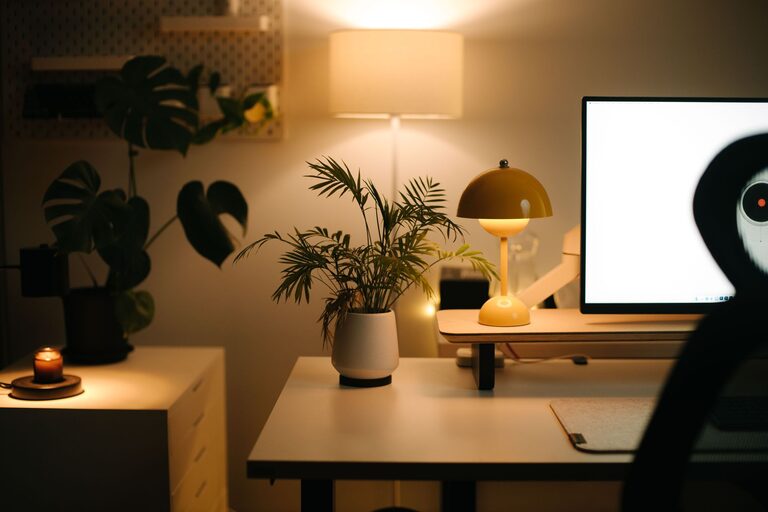
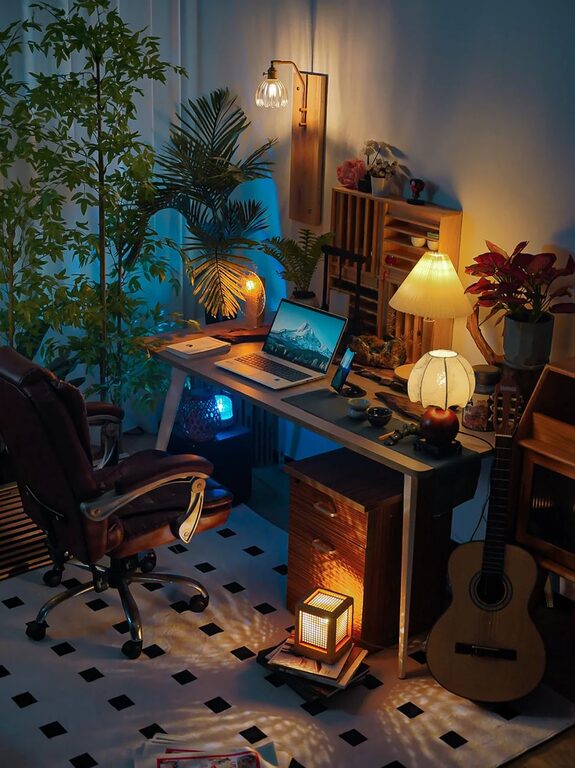
– Soft Lighting: Use desk lamps with adjustable brightness. Warm light creates a cozy feel.
Establishing a Productive Routine
Your physical space is important, but so is your daily schedule.
Set Working Hours
Decide on specific start and end times for your workday. This helps maintain boundaries between work and personal life.
Take Breaks
Incorporate short breaks every hour to stretch, hydrate, or simply step away from your desk to refresh your mind.
Use To-Do Lists
Write down daily tasks to stay organized and track progress. Crossing off completed tasks can boost motivation.
Technology Tips for Efficiency
Modern tools can improve your workflow.
– Reliable Internet: Ensure your Wi-Fi connection is strong and stable.
– Quality Equipment: Use updated computers, keyboards, and mice to avoid technical frustrations.
– Productivity Apps: Apps like calendars, task managers, and timers help you stay on track.
Maintaining Work-Life Balance
Even when your office is at home, it’s important to create a boundary between work and relaxation.
– End of Day Ritual: Close your laptop, organize your desk, and turn off work notifications to signal the end of your workday.
– Separate Work and Personal Spaces: If possible, keep your workspace separate from areas where you relax, like the bedroom or living room.
Final Thoughts
Designing a relaxing and productive home workspace is a combination of thoughtful environment setup, ergonomic considerations, organization, and routine. Small changes can lead to big improvements in your focus and comfort. Experiment with these tips to find what works best for you, and enjoy a workspace that supports your goals and well-being.
About the Author