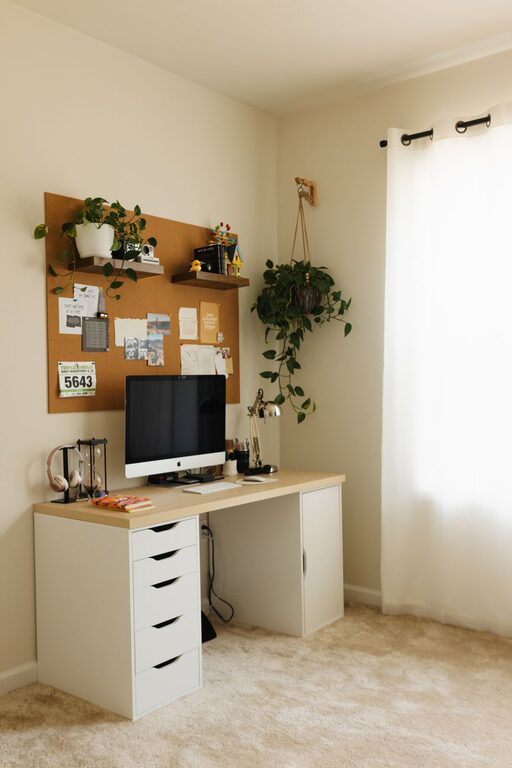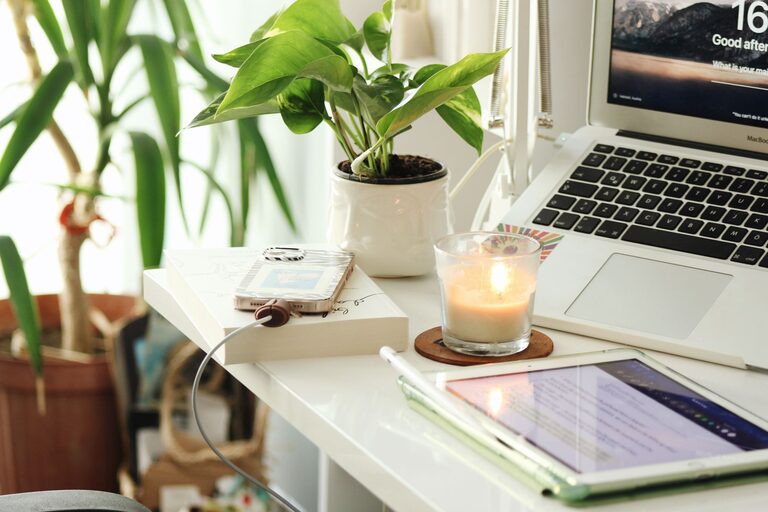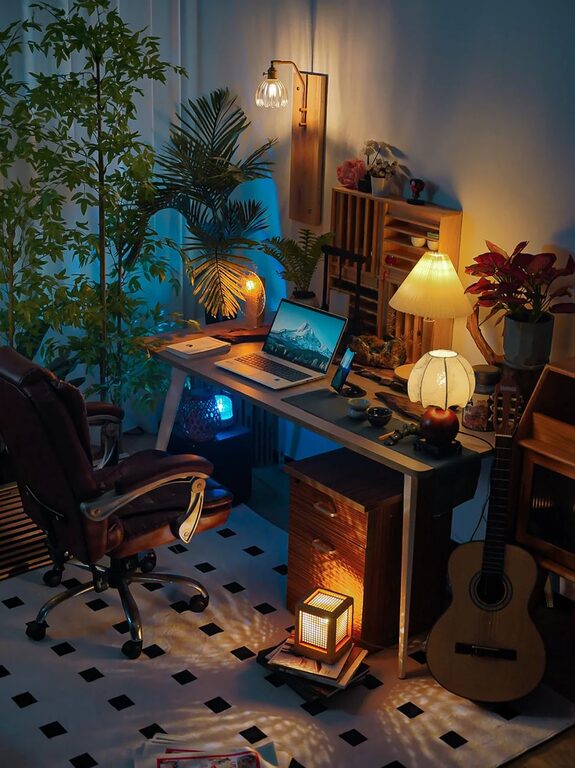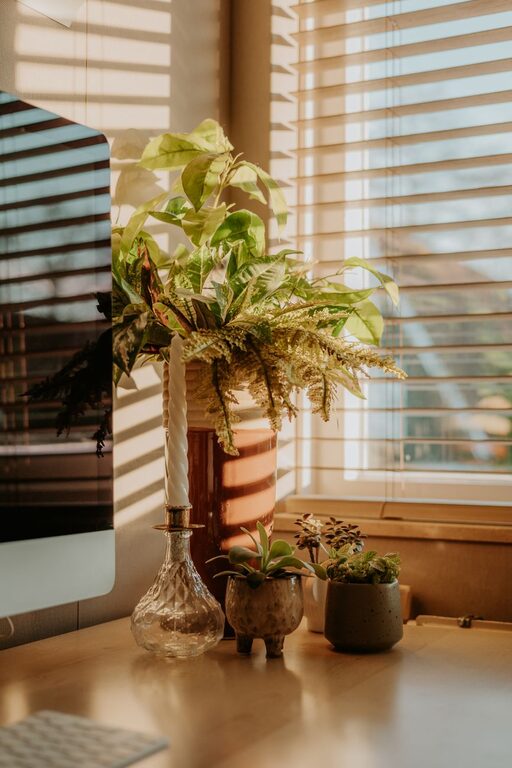
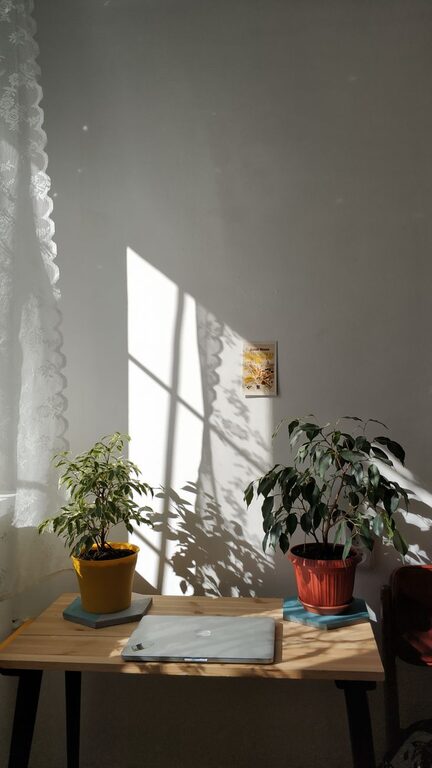
Creating a relaxing home workspace is essential for maintaining focus, reducing stress, and improving overall well-being while working from home. A well-designed workspace can help you stay productive and comfortable throughout your workday. Whether you have a dedicated room or a small corner of a room, there are plenty of ways to shape your environment into a calming and inspiring place. Here are some practical tips to help you create a relaxing home workspace.
Choose the Right Location
Find a Quiet Spot
Start by selecting a space where distractions are minimal. If possible, choose a room with a door to help define boundaries between work and personal life.
Consider Natural Light
Position your desk near a window that provides natural sunlight. Natural light not only brightens the room but also boosts mood and energy levels. If sunlight isn’t an option, invest in high-quality artificial lighting for a balanced, eye-friendly environment.
Keep Your Workspace Organized
Declutter Regularly
A cluttered desk can contribute to a cluttered mind. Make it a habit to clear your workspace daily by putting away unnecessary items.
Use Storage Solutions
Incorporate shelves, drawers, and organizers to keep documents, office supplies, and tech accessories neatly arranged and within reach.
Limit Equipment
Only keep essential tools and devices on your desk to maintain a clean and distraction-free space.
Choose Comfortable and Supportive Furniture
Invest in a Good Chair
An ergonomic chair that supports your posture is key to comfort during long working hours. Look for chairs with adjustable height, lumbar support, and breathable fabric.
Select the Right Desk
Choose a desk at the proper height for your work style—whether sitting or standing. Adjustable desks are a popular option that allow you to change positions and reduce fatigue.
Personalize Your Space
Add Greenery
Plants can enhance the atmosphere by purifying the air and adding a touch of nature. Small potted plants or succulents require little care and can brighten any workspace.
Use Calming Colors
Soft, neutral colors like blues, greens, and earth tones promote relaxation and concentration. Consider repainting your workspace or adding accessories in soothing shades.
Display Meaningful Items
Personal photos, inspirational quotes, or artwork can create a positive, motivating environment.
Minimize Noise and Distractions
Use Noise-Canceling Tools
If background noise is an issue, noise-canceling headphones or white noise machines can help maintain focus.
Set Boundaries
Communicate your work schedule to family or housemates to minimize interruptions during important tasks.
Incorporate Relaxation Breaks
Schedule Short Breaks
Take regular, short breaks to stretch, walk, or practice deep breathing. These moments improve focus and reduce tension.
Create a Relaxation Corner
If space allows, set up a small area with a comfortable chair or cushion where you can briefly relax and recharge.
Manage Technology Wisely
Keep Cables Tidy
Use cable management systems to prevent cords from tangling or cluttering your desk.
Optimize Screen Setup
Arrange monitors at eye level to reduce neck strain. Consider using blue light filters or glasses to minimize eye fatigue.
Limit Digital Distractions
Turn off unnecessary notifications and keep non-work-related devices out of sight during working hours.
Improve Air Quality and Temperature
Ventilate Regularly
Open windows or use air purifiers to ensure fresh air circulation.
Control Temperature
Keep your workspace at a comfortable temperature to avoid discomfort and distractions.
—
By thoughtfully designing your home workspace with these tips, you can create a calming atmosphere that encourages productivity and well-being. A relaxing environment helps you work more efficiently and enjoy your time spent at home. Start by making a few changes today and notice the difference it makes!
About the Author