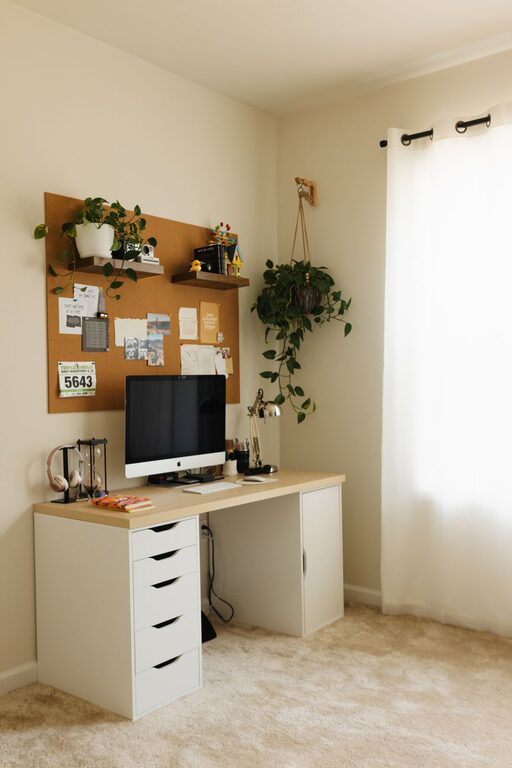
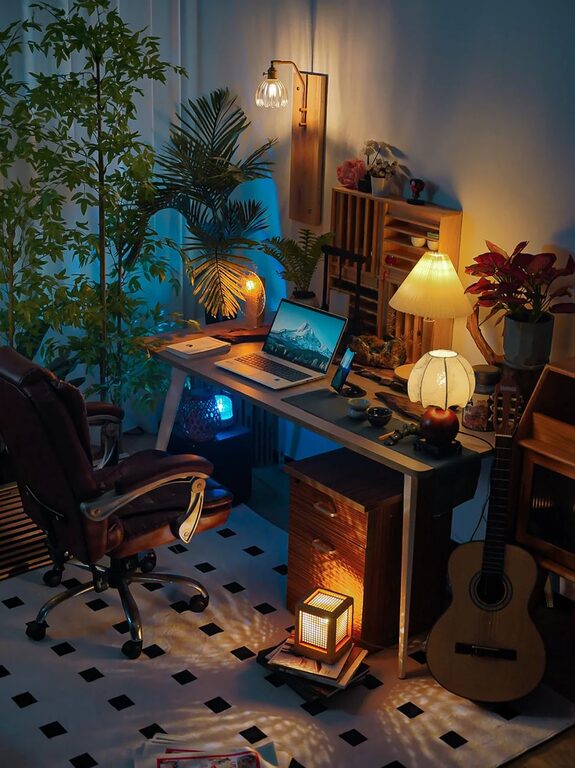
Creating a cozy and inviting home office space is essential for boosting productivity and maintaining a positive mindset while working from home. Whether you spend a few hours a day or full-time in your home office, having a well-designed, comfortable environment can make a big difference. Below are practical tips to help you transform your workspace into a cozy retreat that inspires focus and creativity.
1. Choose the Right Location
Start by selecting a spot in your home that feels quiet and comfortable. Ideally, this area should:
– Have natural light to reduce eye strain and lift your mood.
– Be away from high-traffic or noisy parts of the house.
– Allow enough space for your essentials without feeling cramped.
Even a small nook can be turned into an inviting workspace with a little creativity.
2. Invest in Comfortable and Ergonomic Furniture
Comfort is key when it comes to a home office. Here’s what to consider:
– Desk: Choose a desk size suited to your work style and space. Adjustable desks that convert to standing desks offer flexibility.
– Chair: Invest in an ergonomic chair that supports good posture. Adjustable height, lumbar support, and cushioned seating are important features.
Comfortable furniture helps reduce physical discomfort, keeping you focused longer.
3. Personalize Your Space
Adding personal touches will make your office feel inviting and uniquely yours. Some ideas include:
– Displaying family photos, artwork, or inspirational quotes.
– Including your favorite colors in decor items like cushions, rugs, or curtains.
– Using plants to bring in life and improve air quality.
Personalization creates a welcoming atmosphere and reduces stress.
4. Optimize Lighting
Good lighting is crucial for both comfort and productivity.
– Use a mix of natural light and artificial light sources.
– Position your desk near a window if possible.
– Use adjustable desk lamps to ensure focused lighting without glare.
– Consider warm-colored bulbs for a cozy ambiance, especially during darker months.
Proper lighting protects your eyes and enhances the mood of your workspace.
5. Keep It Organized
A tidy workspace encourages clear thinking and productivity. To keep clutter at bay:
– Use organizers such as trays, baskets, or drawer dividers.
– Keep frequently used items within reach.
– Implement cable management solutions to keep cords neat.
– Establish a daily routine for tidying your desk.
An organized space helps reduce distractions and stress.
6. Incorporate Soft Textiles and Warm Elements
Adding textiles and warm materials can make your office feel cozier:
– Place a soft area rug underfoot.
– Use plush cushions or a throw blanket on your chair.
– Choose wooden or natural-fiber accessories for warmth.
– Consider curtains or blinds that add texture.
These elements soften the space and make it more inviting.
7. Control Noise Levels
Noise can disrupt concentration. These strategies can help:
– Use noise-canceling headphones or white noise machines if necessary.
– Add sound-absorbing materials like curtains, rugs, or foam panels.
– Choose a space with a door you can close when you need privacy.
Minimizing noise distractions supports better focus.
8. Maintain a Healthy Atmosphere
A pleasant environment supports wellbeing:
– Keep the room ventilated with fresh air.
– Maintain a comfortable temperature.
– Add air-purifying plants such as snake plants or pothos.
– Use essential oil diffusers or candles for subtle scents if you like.
A fresh and healthy atmosphere can increase comfort and energy.
9. Use Technology Thoughtfully
Technology should make your work smoother, not add stress.
– Invest in quality hardware like a good monitor, keyboard, and mouse.
– Use software tools to stay organized and focused.
– Position cables and devices neatly to avoid clutter.
Thoughtful tech choices contribute to a streamlined, pleasant workspace.
10. Create Defined Zones if Possible
If your workspace is large enough, consider dividing it into functional zones such as:
– A dedicated desk area for focused work.
– A reading or brainstorming nook with comfortable seating.
– Storage zones to keep materials tidy and accessible.
Defined zones help organize tasks and give your workspace more personality.
—
Final Thoughts
A cozy and inviting home office doesn’t happen by chance. With some planning and thoughtful touches, you can create a space that feels welcoming and supports your productivity. Focus on comfort, personalization, and organization to enjoy your time working at home. Remember, your workspace should reflect your needs and preferences—make it a place where you feel inspired and comfortable every day.
About the Author