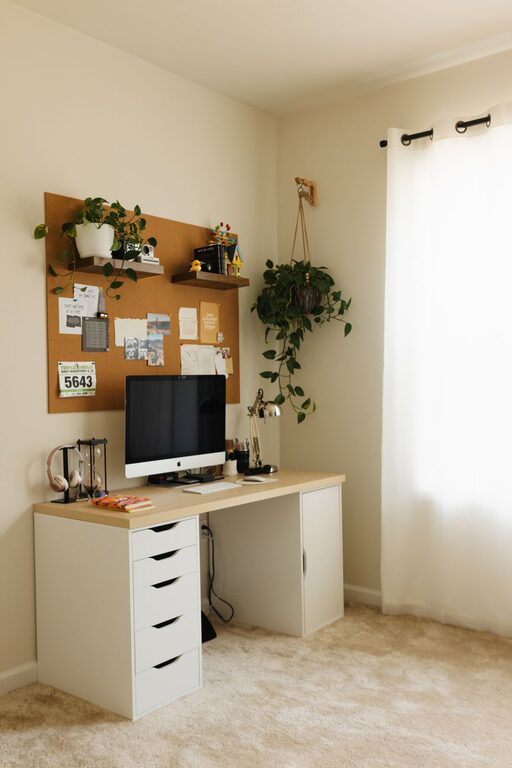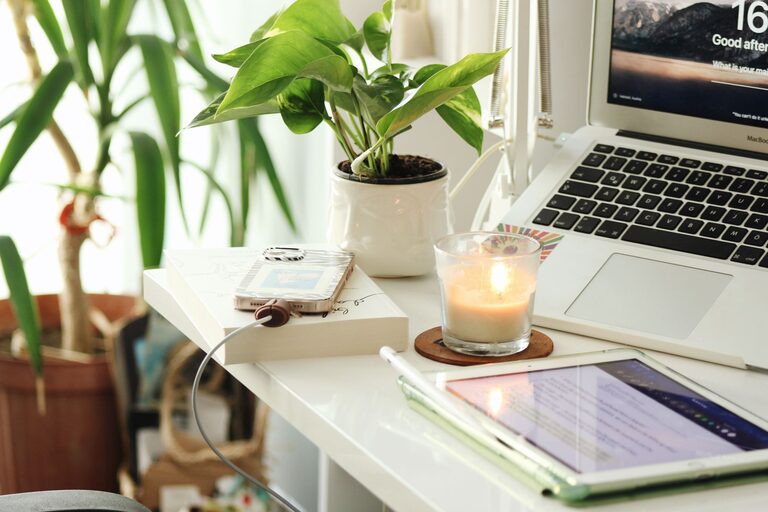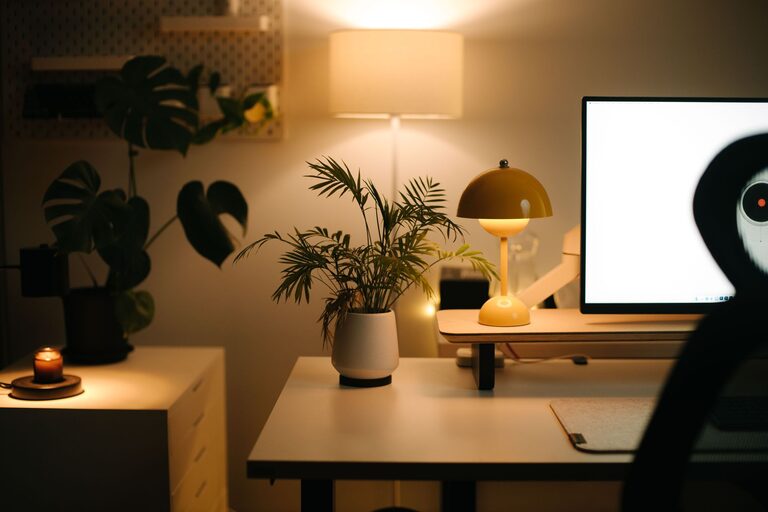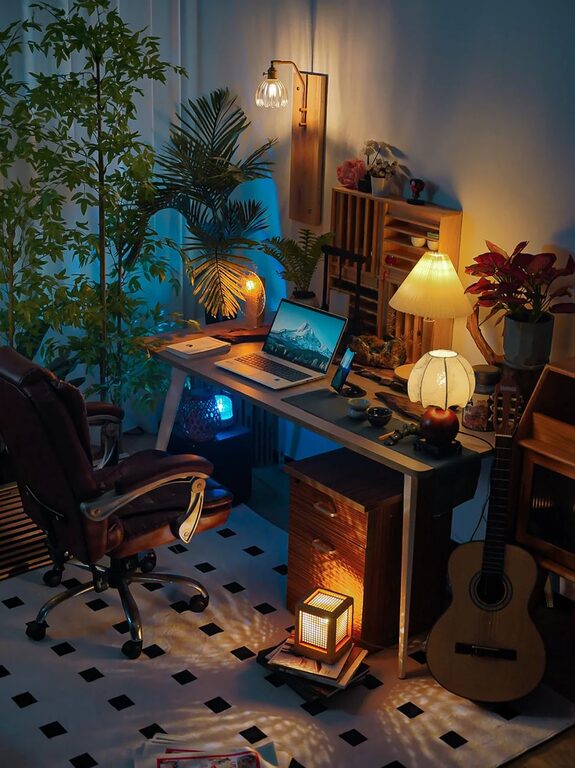
Creating a relaxing home office environment is key to maintaining focus, reducing stress, and improving overall productivity. As more people work remotely, having a dedicated space that promotes calm and comfort makes a big difference in daily work life. Whether you have a small corner or an entire room for your office, these tips will help you create a soothing and efficient workspace.
Why a Relaxing Home Office Matters
Your home office is where you spend a large portion of your day, so the environment around you can affect everything from your mood to your creativity. A cluttered, noisy, or uncomfortable space can lead to distractions and burnout. On the other hand, a well-designed, peaceful office encourages focus, creativity, and better health.
Choosing the Right Location
Consider Natural Light
Try to set up your office near a window if possible. Natural light has been shown to improve mood and reduce eye strain. Position your desk so you can enjoy daylight without glare on your screen.
Minimize Noise Distractions
Pick a quiet part of your home for your office. If that’s not possible, consider noise-canceling headphones or white noise machines to block out distracting sounds.
Designing for Comfort
Invest in an Ergonomic Chair
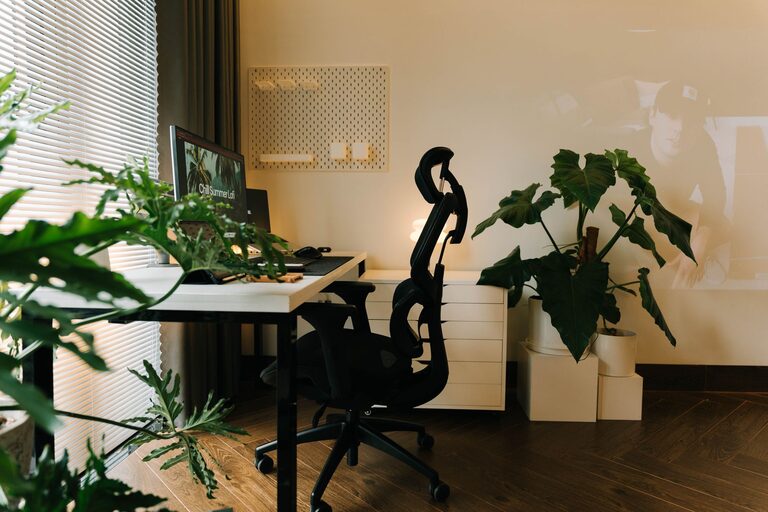
A comfortable, supportive chair is crucial. Look for adjustable chairs that support your lower back, hips, and promote good posture. Sitting correctly reduces physical stress and fatigue.
Use an Adjustable Desk
If you can, choose a desk that allows you to alternate between sitting and standing. Changing positions throughout the day keeps blood flowing and helps avoid stiffness.
Organize Your Essentials Within Reach
Keep your most used tools like pens, notebooks, and chargers close by to reduce unnecessary reaching and movement, which can interrupt your workflow.
Decluttering and Organizing
Keep Surfaces Clear
A cluttered desk can add stress and reduce your ability to focus. Only keep necessary items on your desk and store the rest in drawers or shelves.
Use Smart Storage Solutions
Use organizers, shelves, and filing cabinets to keep papers and supplies tidy. Labeling storage containers can help you find what you need quickly.
Digital Declutter
Organize files and emails regularly to keep your digital workspace as clean as your physical one.
Adding Elements That Promote Relaxation
Choose Calming Colors
Soft, neutral colors like pastels, blues, and greens create a soothing atmosphere. Avoid overly bright or harsh colors that might increase anxiety.
Incorporate Plants
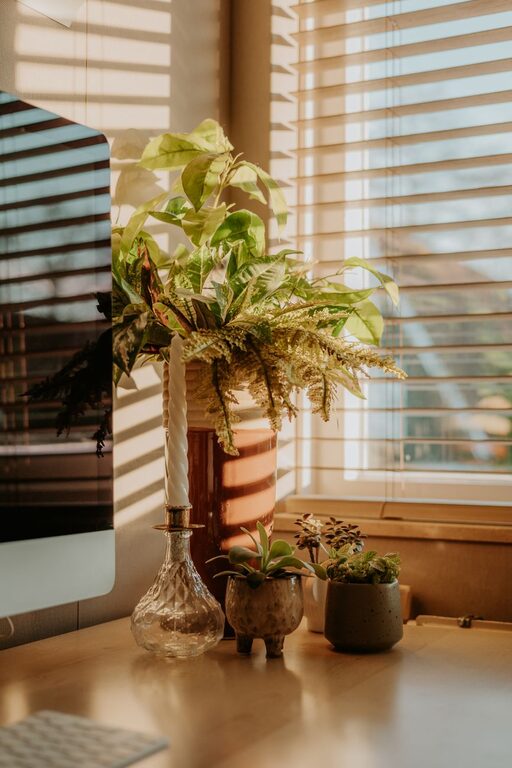
Plants add life and freshness to your office. They improve air quality and can help reduce stress. Choose low-maintenance options like succulents or pothos.
Use Soft Lighting
Avoid harsh overhead lights. Use desk lamps or floor lamps with soft, warm light to create a cozy atmosphere.
Add Personal Touches
Include items that make you happy or inspired, such as photos, artwork, or meaningful decor, but keep them minimal to avoid distractions.
Technology Tips for a Relaxing Workspace
Manage Screen Time Wisely
Take breaks away from screens to reduce eye strain. Use apps that remind you to blink and stretch.
Keep Cords Hidden and Organized
Messy cables can create visual clutter. Use cable ties or covers to keep them neat and out of sight.
Use Headphones for Focus
If noise is an issue, headphones can help create a personal bubble and improve concentration.
Establishing a Routine to Maintain the Space
Set Regular Cleaning Times
Spend a few minutes at the end of each day tidying your workspace. This habit keeps clutter from piling up.
Take Scheduled Breaks
Regular breaks improve focus and well-being. Use a timer or app to remind yourself to move, hydrate, and relax briefly throughout the day.
Personalize Your Routine
Incorporate small rituals that help you transition into “work mode,” such as lighting a candle or playing soft background music.
Final Thoughts
Creating a relaxing home office environment is about making intentional choices that support comfort, organization, and calm. By focusing on natural light, ergonomic furniture, clutter reduction, and calming decor, you can build a workspace that enhances both your productivity and well-being. Remember, your office should be a place you look forward to each day—a space that helps you work efficiently while feeling peaceful and comfortable.
About the Author