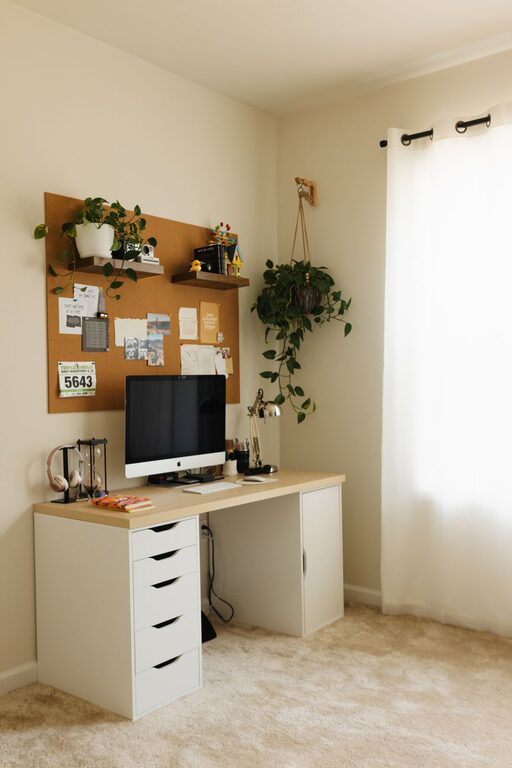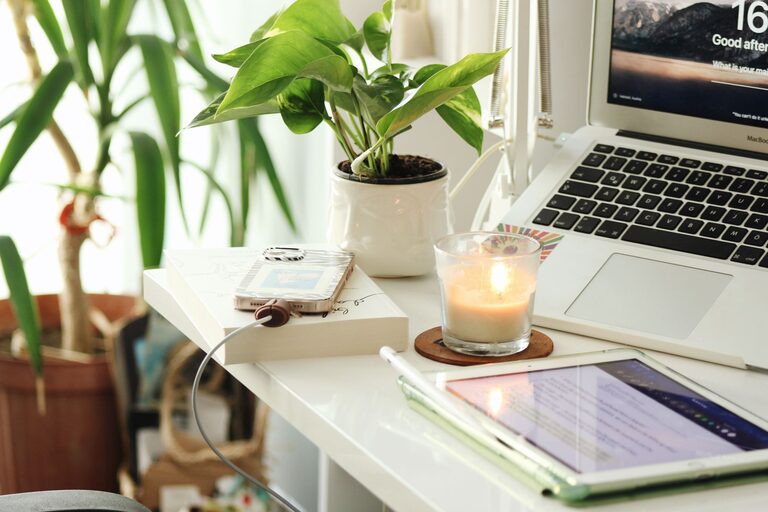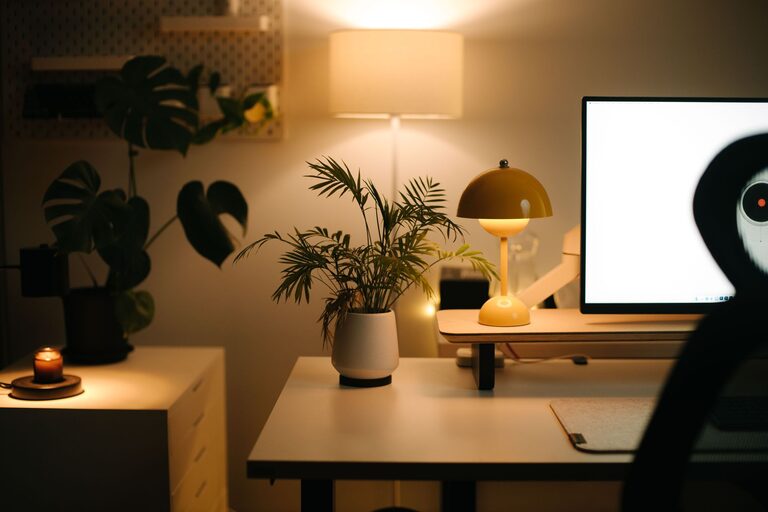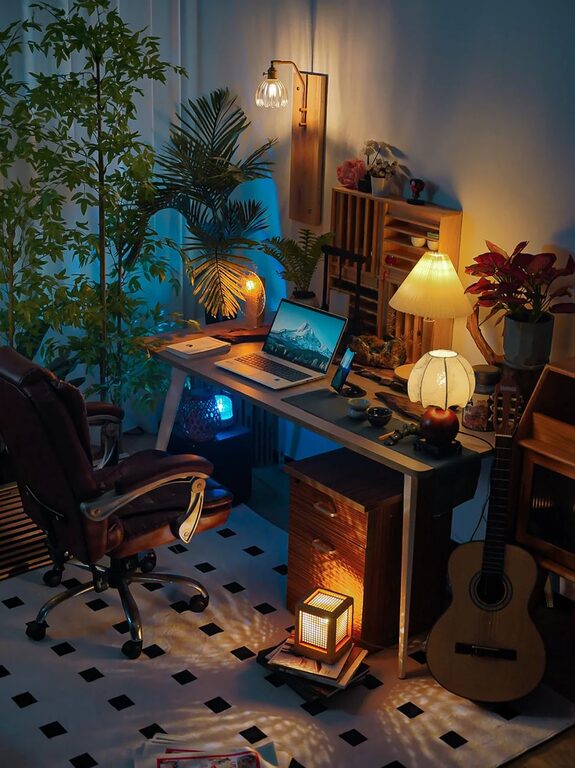

Creating a relaxing home workspace is essential for maintaining focus and boosting productivity, especially when working remotely or managing tasks at home. A well-designed space not only supports your work needs but also promotes a calm and stress-free environment. In this post, we’ll explore practical tips to help you craft a home workspace that feels both comfortable and inspiring.
Why a Relaxing Workspace Matters
Your work environment has a significant impact on your concentration and motivation. A cluttered or stressful space can lead to distractions, lower efficiency, and even burnout. Conversely, a relaxing workspace helps you stay motivated, reduces stress, and supports a healthy work-life balance.
Getting Started: Choose the Right Spot
Find a Quiet, Dedicated Area
Select a spot in your home that experiences minimal noise and interruptions. This could be a spare corner, a section in your bedroom, or even a small room dedicated solely to work.
Consider Natural Light
Position your desk near a window if possible. Natural light improves your mood and reduces eye strain. If natural light is limited, invest in good-quality artificial lighting that mimics daylight.
Organize Your Workspace for Clarity
Declutter Regularly
Keep only the essentials on your desk. A tidy workspace prevents distractions and helps you focus on the task at hand.
Use Storage Solutions
Incorporate shelves, drawers, or baskets to organize papers, supplies, and electronics. Label containers to quickly find what you need.
Personalize Thoughtfully
Add a few personal touches like a small plant, photo, or art piece to make your space inviting, but avoid overdecorating which can become distracting.
Choose Comfortable and Functional Furniture
Invest in Ergonomic Furniture
Select a chair with good back support and a desk at the proper height to prevent strain during long work sessions.
Consider Adjustable Options
Adjustable chairs and desks (such as sit-stand desks) allow you to change your position throughout the day, which improves comfort and energy levels.
Create a Calm Atmosphere
Use Soothing Colors
Opt for soft, neutral colors like pale blue, light gray, or beige. These tones promote relaxation and focus.
Incorporate Plants
Indoor plants improve air quality and add a touch of nature, which can reduce stress and boost creativity.
Control Noise Levels
If ambient noise is an issue, use noise-cancelling headphones or play soft instrumental music to improve concentration.
Implement Clear Boundaries
Define Work Hours
Establish a routine with set start and end times to help your mind switch between work and personal life.
Keep Work Separate
Avoid working from your bed or couch. Having a dedicated workspace signals to your brain when it’s time to focus.
Enhance Focus and Motivation
Use Task Lists
Write daily or weekly to-do lists to prioritize tasks and track progress. Crossing off completed items provides a sense of accomplishment.
Take Regular Breaks
Incorporate short breaks to stretch and rest your eyes. Techniques such as the Pomodoro method can help balance work and rest.
Limit Digital Distractions
Turn off non-essential notifications and use apps that block distracting websites during work hours.
Maintain Routine and Adapt
Keep Your Workspace Clean
Set aside a few minutes daily to tidy up and reset your area for the next day.
Adjust As Needed
Periodically reassess your workspace setup and adjust lighting, furniture, or organization to suit changing needs or preferences.
—
Creating a relaxing home workspace doesn’t require a complete overhaul. Small changes like reducing clutter, improving lighting, and establishing clear boundaries can make a significant difference in your productivity and well-being. By designing a comfortable, inviting area dedicated to work, you’ll find it easier to stay focused and motivated throughout your day.
About the Author